
Coated fabric
In recent years, a kind of coated fabric treated with special technology has become one of the best-selling fashion varieties. The so-called coated fabric is a polymer compound that is evenly coated with a coating finishing agent, also known as coating glue, on the surface of the fabric, and forms a textile with one layer (or multiple layers of film) through adhesion.
It not only improves the look and style of fabrics, but also increases their functionality. The popularity of coated fabrics is due, firstly, to its wide range of products and the popularity of casual clothing in the current clothing consumer market; secondly, its low-cost production makes its clothing highly profitable. There are a wide range of coated fabrics in the market including medium, low and high-end fabrics. There are many types of coated fabrics. The products include scratch-colored, leather-coated fabrics with colorful film feel, paper texture, oily wax feel, printing, foaming (foam), waterproof and breathable, flame retardant, silver-coated white, pearlescent, Antibacterial, anti-UV and mercerized leather, matte, anti-genuine, wrinkle leather, etc.
Recently, there is also an energy-storage luminescent textile fabric, which uses long-lasting rare earth phosphors, dispersants, intermediaries, dyes, etc. on textile fabrics to produce printed and coated textile fabrics containing such phosphors. Not only does it have the appearance and performance of conventional textile printing and coated fabrics, but also the printed pattern or the entire fabric can glow by itself in the dark without light after being illuminated. How can you tell if a fabric is coated? Fold the fabric inward, hold the folded double-layer fabric with your fingers and twist it. The coated fabric on the inner surface is difficult to twist and is very astringent.
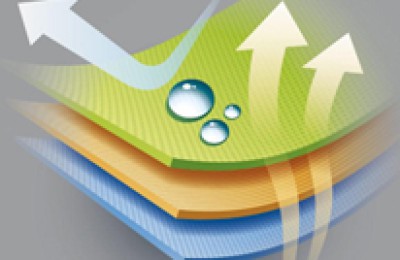
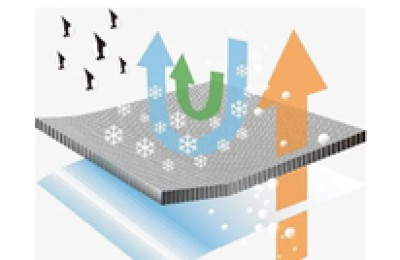
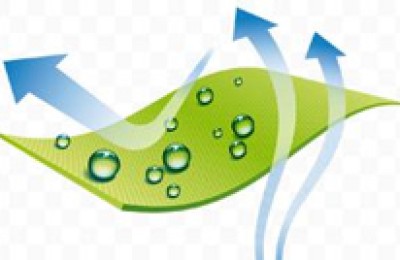
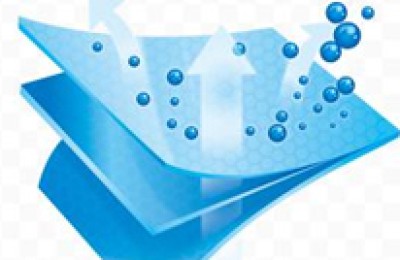
Uncoated fabrics can be twisted, and after twisting several times, the friction will gradually decrease. This identification method is simple and accurate, and can help correct identification. Coated fabrics are widely used. At present, coated products are not only widely used in industry and agriculture, transportation, national defense, hospitals, navigation, fishing, offshore oil wells, decoration, etc., they are also favored by ethnic minority tents and are used as Autumn and winter clothing fabrics are even more bright and colorful. They can be combined with knitted fabrics, plain woven fabrics, and non-woven fabrics to make various fabrics or linings. They are suitable for ready-to-wear, shoe materials, raincoats, windbreakers, snowcoats, jackets, etc. The original product was only waterproof but not moisture-permeable. The coated fabric made it feel stuffy and had poor comfort.
In order to improve the breathability and moisture permeability of coating adhesives, since the 1970s, scientific researchers have developed a series of coating adhesives for waterproof and breathable fabrics by modifying the chemical structure of coating adhesives and changing coating processing methods. Especially in recent years, functional coating glue and composite coating glue have also developed greatly. The coating results not only have excellent performance in physical properties, uniformity, and stability, but can also be produced continuously and in large quantities. There are many ways to classify coating glues: according to their chemical structure, they mainly include polyacrylates, polyurethanes, polyvinyl chloride (PVC), silicones, synthetic rubbers (such as neoprene), etc. In addition, there are polytetrafluoroethylene, polyamide, polyester, polyethylene, polypropylene and protein types.
At present, the main applications are polyacrylates and polyurethanes. Polyacrylate fabric coating glue (PA for short) is one of the currently commonly used coating glues. It has good sunlight and weather fastness, is not prone to yellowing, and has good transparency and co-compatibility, which is beneficial to the production of colored coating products. ; Good washing resistance; strong adhesion; low cost and other advantages. But at the same time, it also has shortcomings such as poor elasticity and easy wrinkles; poor surface finish; and difficulty in adjusting the feel. The original polyacrylate coating glue was a purely waterproof product. After decades of development, the current varieties not only have multiple functions such as waterproof and breathable, flame retardant, windproof, sunshade and foam coating, but also have low temperature Energy saving features. Polyurethane coating adhesive (Polyurethane abbreviated as PU) is called polyurethane. Its advantages are: the coating is soft and elastic; the coating has good strength and can be used for very thin coatings; the coating is porous and moisture-permeable and ventilation properties; wear-resistant, moisture-resistant, and dry-cleaning resistant. Its shortcomings include higher cost, poor weather resistance, and hydrolysis when exposed to water, heat, and alkali.
According to the medium used, it is divided into two types: solvent type and water type. The solvent type has the advantages of high water pressure resistance, good film-forming properties, fast drying, and low solid content, but at the same time it has permeability on fabrics. It has the disadvantages of being strong, rough to the touch, highly toxic, easy to catch fire, requiring solvent recovery equipment and high recycling costs.
Compared with the solvent type, the water-based type is non-toxic, non-flammable, safe, low-cost, does not require recycling, can produce thick-coated products, is conducive to the production of colored coating products, and the coating has good hydrophilicity. Its disadvantages are low water pressure resistance, slow drying, and difficulty in adhering to filament fabrics. According to different coating processes and baking conditions, there are dry coating glue and wet coating glue, low-temperature cross-linked coating glue and high-temperature cross-linked coating glue. Dry and low-temperature cross-linked coating adhesives are the future development trend of coated fabrics due to their simple coating process, low baking temperature, labor saving and energy saving.
Disclaimer:
Disclaimer: Some of the texts, pictures, audios, and videos of some articles published on this site are from the Internet and do not represent the views of this site. The copyrights belong to the original authors. If you find that the information reproduced on this website infringes upon your rights, please contact us and we will change or delete it as soon as possible.
AA